How Fast Will My Child Actually Learn an Instrument?
One of the most common questions new parents ask at Allegro Music School is some version of how long it will take before their child can actually play something. It's a fair question, and the honest answer involves a bit more nuance than a single timeline, since progress depends on the instrument, the student, how consistently lessons are paired with practice at home, and even how a student's personality shapes their learning style.
Here's a realistic look at what early progress tends to look like, what actually affects the pace, and how to set expectations that won't leave anyone discouraged.
What We Cover:
1. What Realistic Early Progress Looks Like
2. What Affects How Quickly Skills Build
3. Setting Expectations for the First Few Months
4. Frequently Asked Questions
What Realistic Early Progress Looks Like
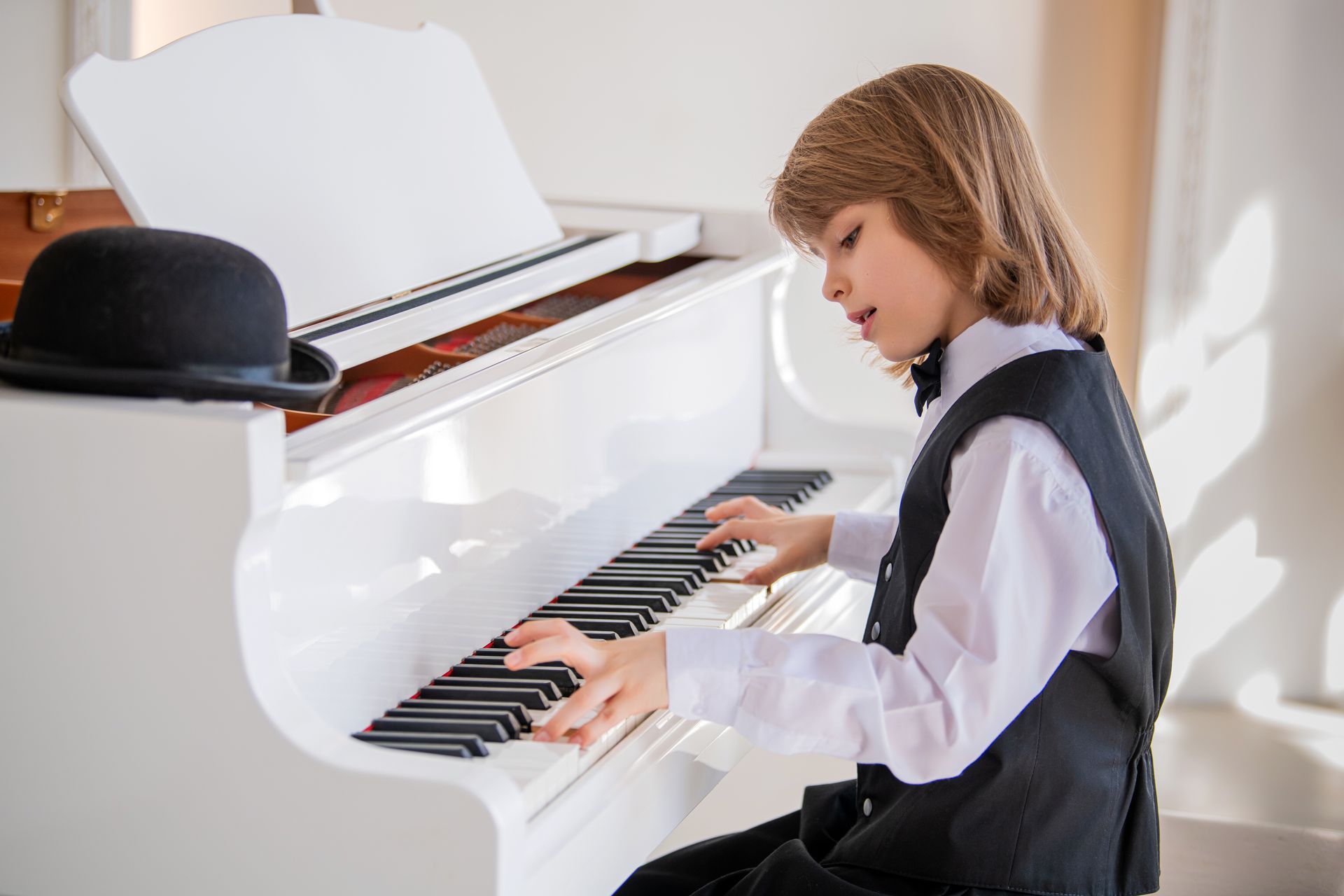
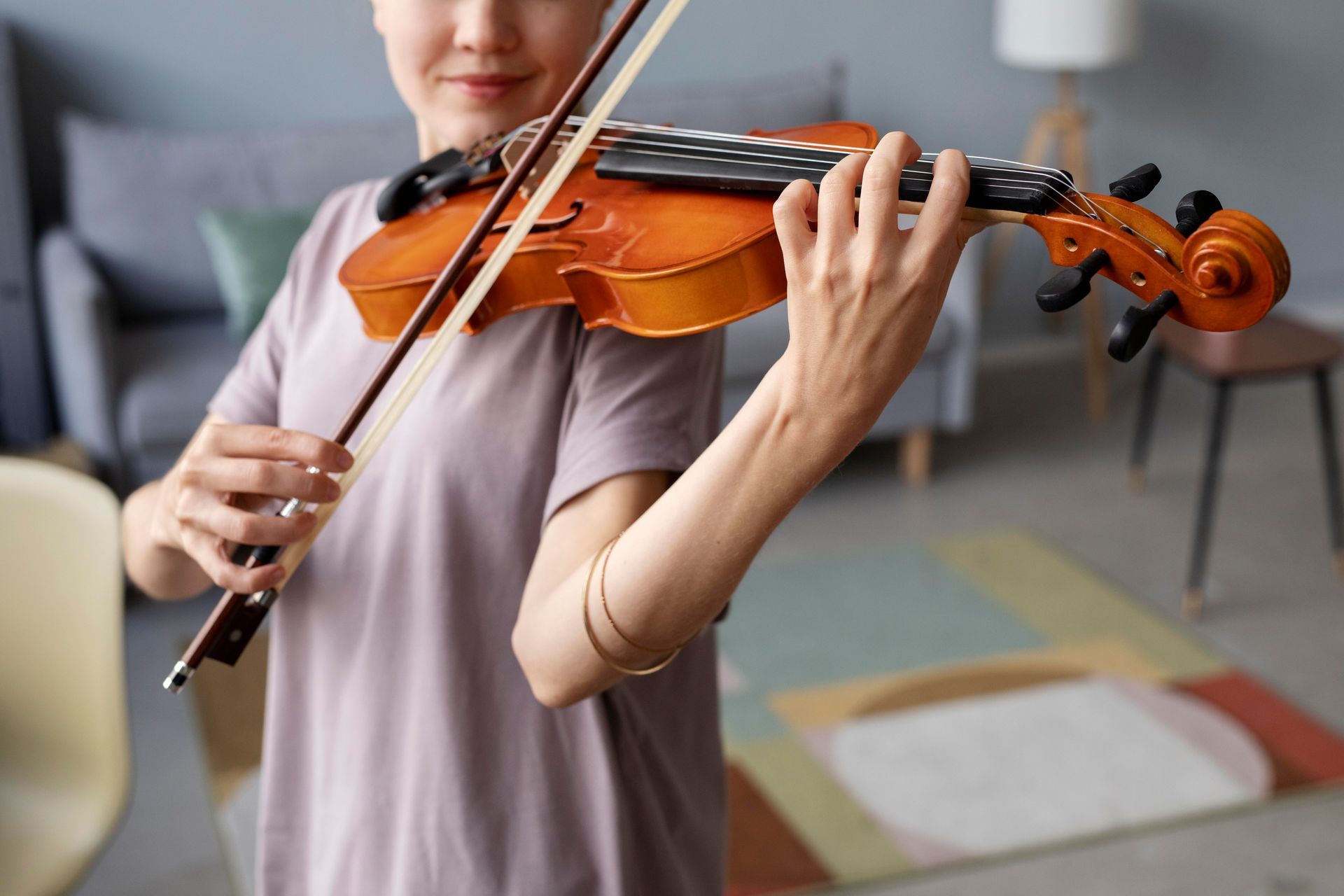
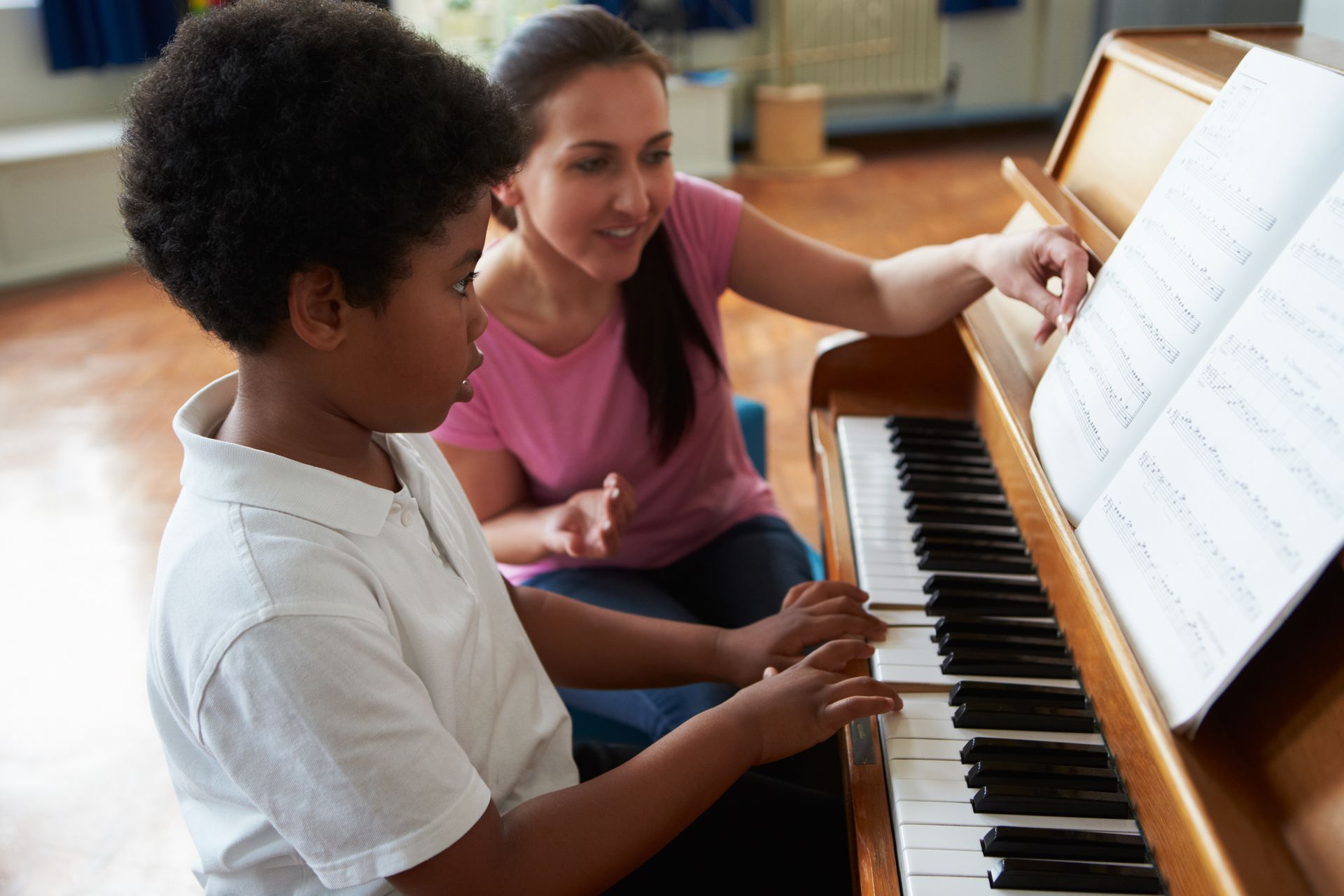
Most students begin noticing genuine progress, like playing a short, simple piece cleanly from start to finish, somewhere in the first few months of regular lessons. This varies by instrument, since something like a piano or recorder tends to produce an audible result faster than an instrument like a violin, where tone quality takes longer to develop.
How Many Months Until My Child Can Play a Full Song?
For most beginners, a simple full song becomes achievable somewhere between two and four months in, assuming consistent weekly lessons and at least a little practice between sessions.
What Affects How Quickly Skills Build
Practice frequency plays a bigger role in pacing than almost any other single factor. A student practicing a few short sessions a week will typically progress faster than one relying on the lesson alone, even if both are equally capable. Age and prior musical exposure matter too, though less than many parents expect, since younger students often progress differently than older ones, rather than simply faster or slower. A student's temperament matters as well, some naturally enjoy repetition, while others need more variety to stay engaged.
Does Practice Frequency Change the Timeline?
Yes, significantly. Even short, consistent practice sessions between lessons tend to produce faster, more durable progress than a single weekly lesson alone.
Setting Expectations for the First Few Months
It's worth preparing for a period where progress feels slow and incremental before it becomes more visible. The first several weeks are often spent on fundamentals like posture, hand position, or basic rhythm, which don't always produce an exciting result right away but make everything afterward easier. Comparing a student's pace to another child's, especially one playing a different instrument, rarely gives an accurate picture of how things are actually going.
It also helps to expect a few plateaus along the way. Progress in the early months rarely moves in a straight line, and a week or two where things feel stuck is a completely normal part of the process rather than a sign that something has gone wrong.
Frequently Asked Questions
How many months until my child can play a full song?
Most beginners reach a simple full song somewhere between two and four months in, depending on the instrument and practice consistency.
Does practice frequency change the timeline?
Yes. Regular short practice sessions between lessons generally produce faster, more lasting progress than relying on the weekly lesson alone.
Is progress different for every instrument?
Yes. Instruments like piano tend to show audible progress sooner, while instruments like violin or voice often take longer to develop tone before pieces start sounding polished.
Realistic expectations make the early months of learning an instrument feel a lot less discouraging, both for students and for the parents cheering them on. Progress is rarely a straight line, and the slow, foundational stretch at the start is exactly what makes the faster progress later possible.
If you're curious how your child's specific instrument tends to progress, ask their teacher at the Ottawa or Orléans location for a realistic sense of what the next few months might look like.
Share This Blog